
Your Terracotta Moment | San Diego Therapy
YOUR TERRACOTTA MOMENT
Has Your Source of Growth also Become Your Limitation?
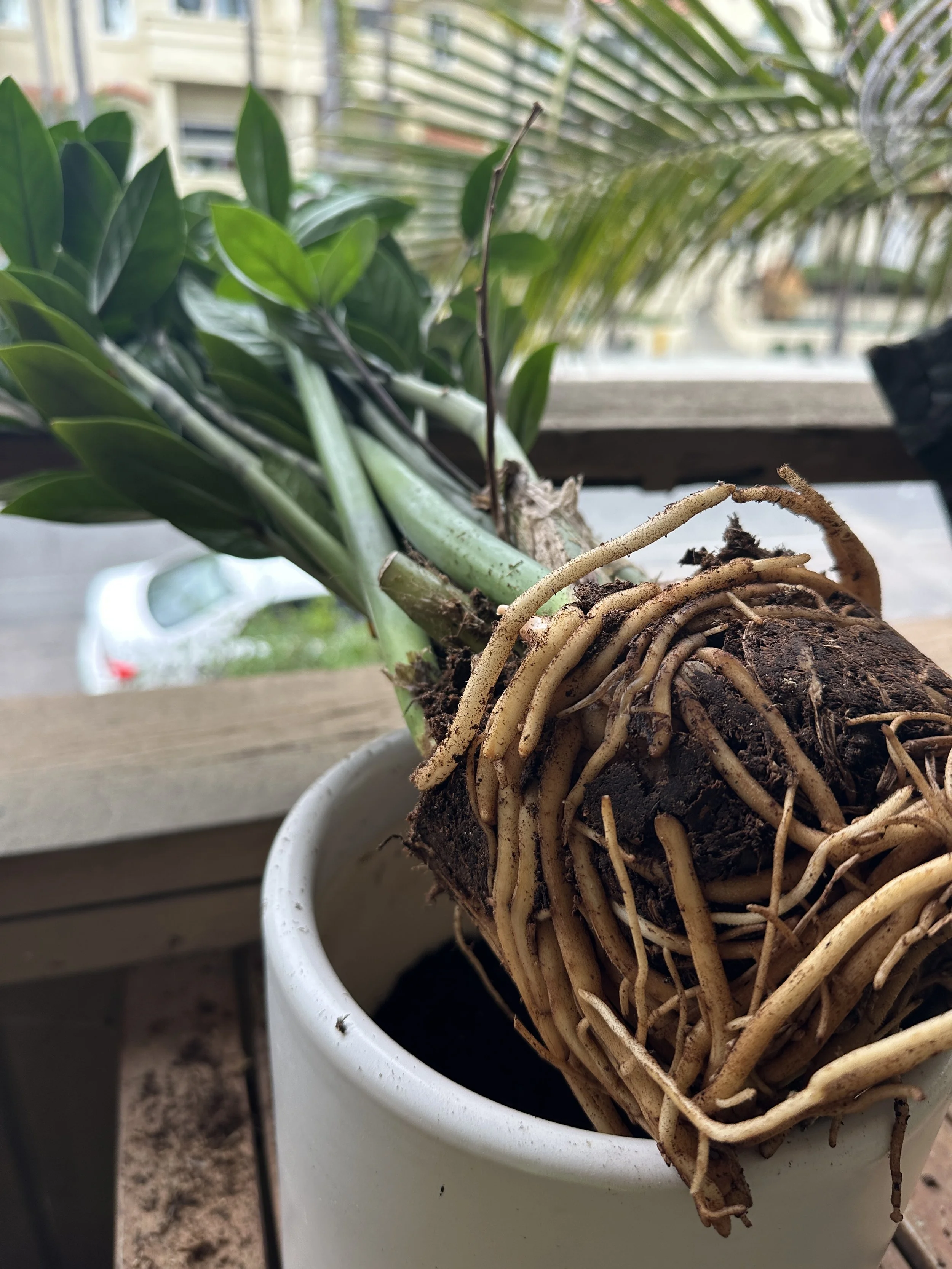
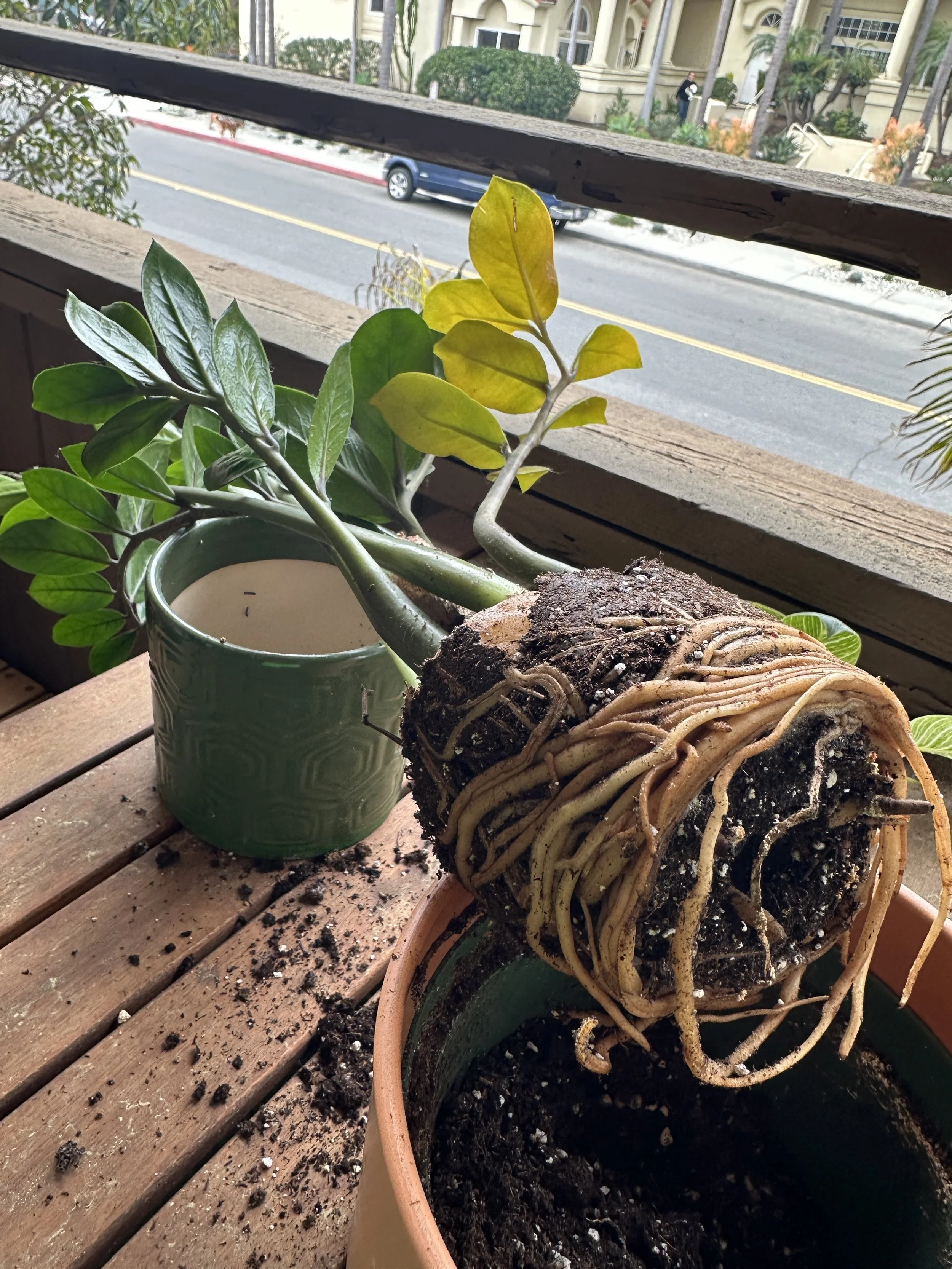
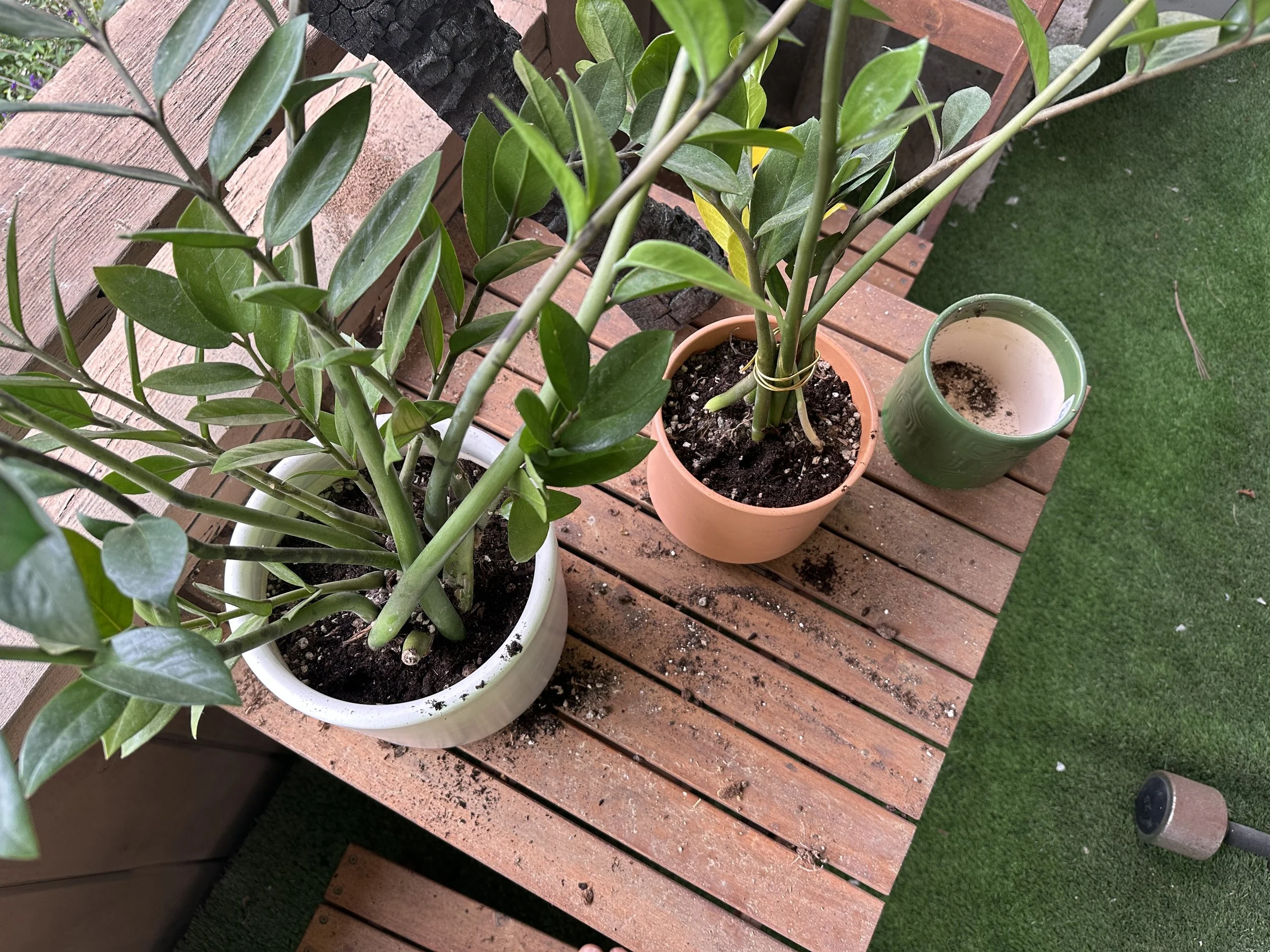
Have you ever repotted a plant?
It’s an odd little ritual.
Sometimes the roots slip right out—clean, easy, cooperative.
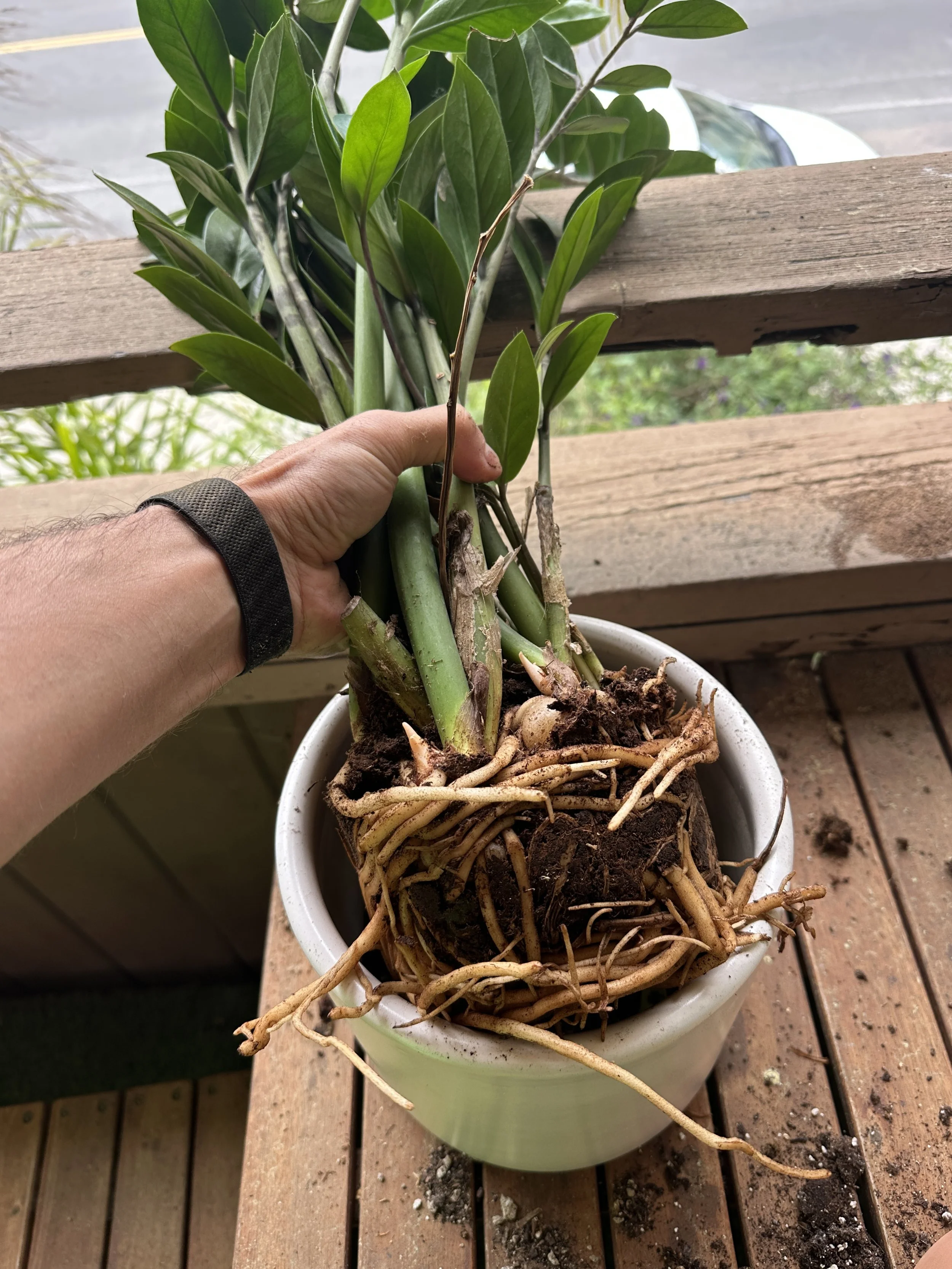
But other times, the plant’s withered fingers grasp the pot’s interior for dear life. You must pre-water the soil, pry gently along the edges, coaxing it loose. Eventually, you cup the plant’s wispy buttocks and lift—presenting it to the world like a baby Simba. (At least, that’s how I do it.)
The contrast is apparent.
Above soil: vibrant greenery, stretching toward the light.
Below: a web of roots, tangled and clumped dusty computer cables.
The plant looks alive and wants to expand, but there’s literally no room for growth. It’s been stuck—unable to grow—perhaps for a long time.
We humans are often the same. On the surface, we look fine. We smile at the right moments, nod in the right places. We’re not dying. But deep down, soul expansion may have stopped for some time. The soil that once sustained us now stunts us. No matter how much we want to grow, given our current container and resources, there’s literally no room.
So let me ask: beneath the surface of your life, are your roots available for expansion? Or have you been clumped and cramped, yearning for space to grow?
As the purpose of life at any age is meaningful giving and growth, a Terracotta Moment is the life-changing realization that your life must change. You’ve drawn all available nutrients from the soil. The strategies, stories, and surroundings that were previously nourishing are now your ceiling. And despite your best efforts to change yourself, a reality dawns: it’s not you anymore—it’s the pot.
You also don’t have to continue to adjust your identity to the pot’s shape.
Find Your Terracotta Moment
We have dozens of flowerpots. Some big, others small. Each pot holds energy and shapes the way you live.
A pot could be as broad as a: state lived in, a career path, a friend group.
It could be as specific as: a gym membership, a website visited, a particular friend, relationship, or family member.
Each pot is a container. It influences your time, money, relationships, beliefs, habits, and responsibilities. The pot may not be “bad.” The pot may be safe, trustworthy, sturdy. But that pot may be better suited for another plant.
Consider:
What are your pots?
Which pots nourish your roots?
Which pots are beginning to feel cramped?
Which pots have I poured endless resources but are not promoting growth?
Everyone has at least one Terracotta moment waiting.
What’s yours?
Transplanting Less Traumatically
Transplanting may look easy to others, but the process is usually pulling bubblegum-from-hair, messy and painful. It disrupts familiar, and often comfortable social ecosystems. The aftermath is what prevents us from entertaining it in the first place.
People who’ve relied on you may pull you back. They’ll challenge progress or launch attacks. They’ll accuse you of changing—and they’re not wrong. But you’re also not obligated to be the same person you were yesterday. Staying in the same pot, while making changes that go nowhere, is anything but life-giving.
Not just that, if you do answer the call—if you step into the unknown with a Terracotta Moment—it may fail. When growing, people are silently on the sidelines, rooting for your demise.
You have faith the soil will be richer and the light, brighter. But the reality is you don’t know for certain. You’re at least giving yourself the opportunity for aliveness though.
This said, there’s a general rule for your transplantation to have success: be relational. Be in authentic connection with yourself and others. Leveling up too quickly without a plan often leads to ground zero. It’s why lottery winners go bankrupt and liposuction patients gain their weight back. Positive change done too abruptly feels violent to the nervous system.
Terracotta Moments are less about destruction of an old life and more about relational direction for a new one. The process of transplanting isn’t hacking parts of you and your environment with a metaphorical chainsaw. Approach changes with gentleness and intention so the transition isn’t dramatic.
Start small. Think of it as loosening soil. If you’re considering a new career path, shadow someone in the field. If you’re contemplating a geographic move, visit that city for a week in non-peak weather. Take a preview. A little foresight save yourself and your ecosystem from unnecessary trauma.
Invite people into your process. A simple act of vulnerability—like posting on social media, “I’m exploring a new career in sustainable farming. Does anyone know someone I could talk to?”—can ripple out in ways you’d never expect. Even if nothing “direct” comes of it, the universe tends to respond to authentic courage.
A single conversation can open hundreds of doors that may not be directly related to your original inquiry. Movement begets momentum. By relationally opening your heart, you shift internal and external energy. It’s as if the pot loosens its grip and roots untie their knots.
Each small step—each conversation, experiment, and micro-risk—is a gentle lift from the old container. We’re all connected. People feel your new energy. You feel theirs. And when the time comes, transplantation feels less like upheaval and more like the most natural next step.
That’s the paradox of a Terracotta Moment: it’s disruptive, yes—but it’s also so deeply aligned with your truest self it feels difficult to reasonably explain. But when you’re in a pot…the pot where your inner-knowing can relax into itself, you no longer need to explain yourself. Your new energy and expression says everything you couldn’t.
If you’re interested in making a life change, I offer in-person therapy for individuals and couples in San Diego and Telehealth therapy all across California. Feel free to reach out.